







Amalfi Coast vs other Italian destinations, it's the question that surfaces every time you begin planning a high-end Italian holiday. You've seen the cliffside photos, heard the stories from friends who chartered a yacht around Capri, maybe even bookmarked a villa perched above Positano. But Italy is vast, and the country offers at least half a dozen regions that compete fiercely for your attention (and your travel budget).
This Italy destination comparison breaks down the Amalfi Coast against Tuscany, Cinque Terre, Lake Como, and several under-the-radar alternatives. You'll get honest assessments of scenery, privacy, culinary experiences, and seasonal timing, so you can match each destination to exactly how you want to spend your time.
Key Takeaways
- The Amalfi Coast stands out for coastal glamour, island-hopping, and luxury villas, but summer crowds (roughly 5 million visitors in July–August) make shoulder-season planning essential.
- When comparing the Amalfi Coast vs other Italian destinations, Tuscany wins for wine-country privacy and sprawling estates, while Cinque Terre suits active travelers who prefer rustic charm over premium amenities.
- Lake Como attracts couples seeking serene, alpine-lakeside elegance, whereas the Amalfi Coast offers a wider range of activities including beaches, nightlife, and day trips to Capri.
- Under-the-radar alternatives like Puglia, the Cilento Coast, and Sardinia deliver stunning beaches, fewer crowds, and 30–50% lower luxury accommodation costs compared to the Amalfi Coast.
- September is the single best month to visit nearly every Italian destination, offering warm weather, thinner crowds, harvest-season cuisine, and better villa availability.
- Define your top three travel priorities (beaches, privacy, food, nightlife, culture, or value), match them to each region's strengths, and book 6–9 months in advance for the best selection.
What Makes the Amalfi Coast a Premier Luxury Destination
The Amalfi Coast earns its reputation through a specific combination: dramatic vertical geography, world-class hospitality, and proximity to iconic islands like Capri and Ischia. Towns like Positano, Ravello, and Praiano cling to cliffs that drop straight into the Tyrrhenian Sea, creating views you genuinely can't replicate anywhere else in the Mediterranean.
Accommodation here operates at a rarefied level. Hotels like Le Sirenuse in Positano and Belmond Hotel Caruso in Ravello consistently rank among Europe's finest, with peak-season rates exceeding €1,000 per night. But for families or groups wanting genuine space and privacy, private villas along the Amalfi Coast offer something hotels simply can't, your own pool, your own chef, your own schedule.
Consider a property like Villa Fatima in Amalfi, a six-bedroom retreat with ocean views and authentic Italian design starting from €4,000 per night. That kind of estate gives you the destination's beauty without sharing a terrace with 80 other guests.
The honest trade-off: summer crowds are real. July and August bring roughly 5 million visitors to the 50-kilometer stretch of coastline. Roads narrow to single lanes. Ferry lines grow long. The Amalfi Coast rewards you enormously, but it demands planning.
Action step: If you're set on the Amalfi Coast, book your villa or hotel 6–9 months ahead for peak season (June through September). For a quieter experience, target late May or early October.
Amalfi Coast Compared to Tuscany: Coastal Glamour Meets Rolling Countryside
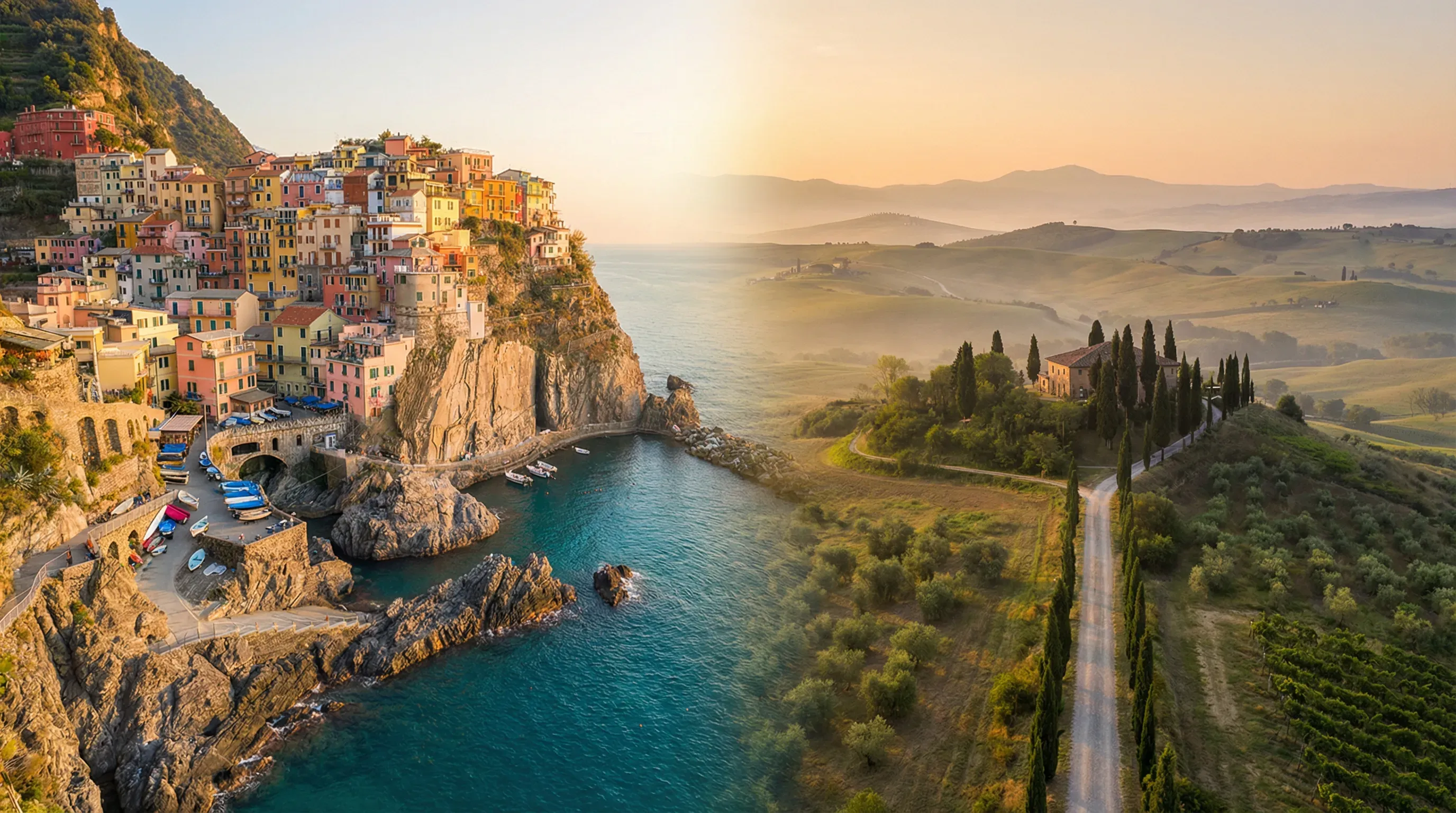
The Amalfi Coast compared to Tuscany is really a question of sensory identity. One is vertical, salty, and electric. The other is horizontal, sun-warmed, and unhurried. Both are extraordinary, but they serve very different moods.
Scenery, Villas, and Privacy
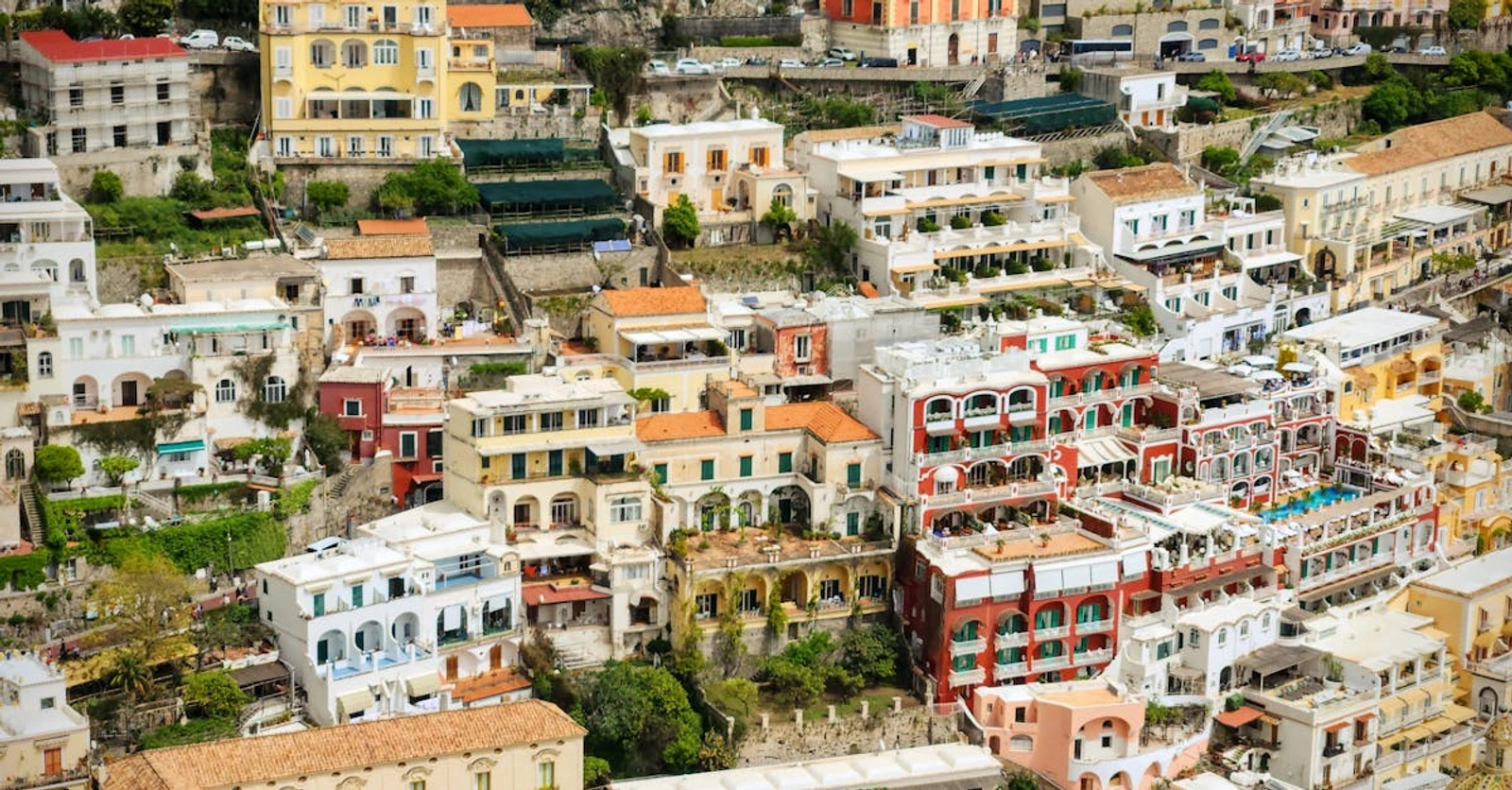
The Amalfi Coast delivers visual intensity. Every turn on the SS163 highway reveals another postcard, lemon groves clinging to terraces, fishing boats in turquoise coves, pastel-colored buildings stacked like Tetris pieces. Villas here often sit on narrow plots carved into hillsides, which means stunning views but close neighbors.
Tuscany trades drama for space. A typical luxury estate in the Val d'Orcia or Chianti region sits on 20–50 acres of private land, surrounded by cypress-lined roads and vineyards. If privacy is your top priority, say, for a corporate retreat or a multi-generational family reunion, Tuscany wins that contest decisively.
For groups that want the Amalfi Coast's beauty with Tuscan-level privacy, properties like Villa Anna in Sant'Agata split the difference. This historic 19th-century estate accommodates up to 30 guests with a private pool, tennis court, helipad, and panoramic Bay of Naples views, the kind of compound where your group never needs to leave the grounds unless you want to.
Culinary Excellence and Wine Culture
Here's where the comparison gets personal.
The Amalfi Coast is bold Campanian cooking at its peak: scialatielli ai frutti di mare (handmade pasta with mixed seafood), fresh-caught branzino grilled with lemon from the terraces above you, and limoncello made from cedro lemons the size of your fist. Restaurants like Lo Scoglio in Nerano serve dishes you'll remember for years.
Tuscany is wine country, full stop. Chianti Classico, Brunello di Montalcino, Vino Nobile di Montepulciano, the region produces some of Italy's most celebrated bottles. Pair that with bistecca alla fiorentina (a 1.2 kg T-bone from Chianina cattle) and ribollita, and you have a culinary tradition built on earth rather than sea.
The verdict: Choose the Amalfi Coast for seafood, citrus-driven cuisine, and coastal dining terraces. Choose Tuscany for wine-centric itineraries and slow, countryside meals.
Action step: If you can't decide, do both. Fly into Florence, spend 4 nights in a Tuscan villa, then drive south (about 4.5 hours) or take the high-speed train to Naples and transfer to the coast.
Amalfi Coast vs Cinque Terre: Exclusivity vs Rustic Charm
Both destinations feature colorful villages above the sea. That's roughly where the similarities end.
The Amalfi Coast is designed for luxury. You'll find Michelin-starred restaurants, five-star hotels carved into cliffs, private beach clubs, and yacht charters that whisk you to Capri in 45 minutes. The coastline stretches across roughly 50 kilometers, so a car (or private driver) and ferry rides are part of your routine.
Cinque Terre is compact and walkable, five villages connected by a 12-kilometer hiking trail and a regional train. It attracts a younger, more backpacker-oriented crowd. Accommodation tops out at charming boutique hotels and rental apartments, not grand villas. The food is exceptional but rustic: pesto Genovese, fried anchovies, focaccia di Recco.
A few specifics that matter for luxury travelers:
- Beaches: The Amalfi Coast has actual sandy (or pebbly) beaches in Positano, Maiori, and Amalfi town. Cinque Terre's coastline is rocky, with limited swimming spots.
- Cost: A week in a premium Amalfi Coast villa for 12 guests might run €25,000–€50,000. Cinque Terre simply doesn't have that tier of accommodation.
- Activities: The Amalfi Coast offers cooking classes, wine tastings, private boat tours, helicopter transfers, and day trips to Pompeii. Cinque Terre offers world-class hiking and simple village life.
An oceanfront property like Villa Limone in Maiori, seven bedrooms, infinity pool, 24/7 concierge, represents a level of accommodation that doesn't exist in Cinque Terre.
Bottom line: Choose the Amalfi Coast for exclusivity, beach access, and premium service. Choose Cinque Terre for an active, low-key escape where the villages themselves are the entertainment.
Action step: If you love hiking but also want luxury, consider splitting your trip, 3 days in Cinque Terre followed by a week on the Amalfi Coast. The train from La Spezia to Naples takes about 5 hours.
Amalfi Coast vs Lake Como: Two Icons of Italian Elegance
This is the Italy destination comparison people argue about most, because both regions attract the same caliber of traveler.
Lake Como is old-money elegance. George Clooney's Villa Oleandra put it on the modern celebrity map, but the lake has drawn European aristocracy since the Roman era. The atmosphere is serene, manicured, and distinctly alpine-Mediterranean. Think villa gardens with centuries-old wisteria, private docks, and evenings spent watching the sunset paint the mountains gold across the water.
The Amalfi Coast is louder, more colorful, more visceral. The energy in Positano on a June evening, live music drifting up from the beach, the smell of grilled octopus, Aperol Spritz in hand, is something Lake Como simply doesn't offer.
Here's a practical breakdown:
- Pace: Como is calm and contemplative. The Amalfi Coast buzzes, especially in summer.
- Water activities: Both offer boating, but Como's calm lake is ideal for sailing and kayaking. The Amalfi Coast gives you open-sea adventures, snorkeling in grottos, and island-hopping to Capri.
- Accessibility: Como is 1 hour from Milan's Malpensa airport. The Amalfi Coast is about 75 minutes from Naples airport, plus winding coastal roads.
- Villa quality: Both regions have exceptional private estates. A six-bedroom Sorrento villa like Villa Volare, with its Bay of Naples panorama and private pool from €5,000 per day, matches anything Lake Como offers, with warmer water and longer swimming seasons.
Who should choose Lake Como: Couples or small groups seeking quiet sophistication, proximity to Milan for shopping, and cooler summer temperatures.
Who should choose the Amalfi Coast: Families, friend groups, or anyone who wants beaches, vibrant nightlife, island excursions, and a wider range of activities.
Action step: If you're torn, consider the season. Lake Como peaks in June–August when northern Italy is warm. The Amalfi Coast's sweet spot stretches from May through October, giving you a longer booking window.
Hidden Alternatives: Puglia, the Cilento Coast, and Sardinia
Not every luxury traveler wants the obvious choice. If you've already done the Amalfi Coast, or you specifically want fewer crowds, three Italian regions deserve serious consideration.
Puglia (Apulia)
The heel of Italy's boot has become one of Europe's fastest-growing luxury destinations. The Salento area offers some of Italy's finest sandy beaches (think Caribbean-clear water at Porto Cesareo and Torre dell'Orso). Accommodation centers on masserie, converted fortified farmhouses with pools, olive groves, and stone-walled privacy. Puglia is excellent for families: flat terrain, kid-friendly beaches, and a slower pace. The trade-off? You'll need a car, as public transit is limited.
Average luxury masseria rates run €500–€1,500 per night, roughly 30–50% less than equivalent Amalfi Coast properties.
The Cilento Coast
Just south of the Amalfi Coast, the Cilento is its quieter, less-discovered neighbor. UNESCO-protected, with dramatic coastline, archaeological sites like Paestum (Greek temples dating to 600 BC), and a fraction of the tourist traffic. It's ideal if you want the southern Italian coastal experience without fighting for a restaurant reservation.
Sardinia
The Costa Smeralda in northeast Sardinia is no secret, it's long been a playground for European billionaires. But venture beyond Porto Cervo and you'll find stunning Sardinian villa properties alongside secluded beaches, world-class diving, and interior mountain villages that feel untouched by tourism. Sardinia's beaches consistently rank among Europe's best, with Cala Mariolu and Spiaggia della Pelosa drawing comparisons to the Maldives.
Action step: If crowds are your biggest concern, start with Puglia or the Cilento Coast. If you want beach quality above all else, look at Sardinia. Plan 7–10 days minimum for any of these regions to explore properly.
How to Choose the Right Italy Destination for Your Travel Style
Italy rewards specificity. The more clearly you define what you want, the better your trip will be. Here's a framework based on real traveler priorities:
You want glamour, nightlife, and island-hopping → The Amalfi Coast. No contest. Base yourself in Positano or Sorrento for maximum energy, or in a Praiano luxury villa for a slightly quieter home base with easy access to everything.
You want wine, cooking, and countryside solitude → Tuscany. Rent a villa in Chianti or the Val d'Orcia. Spend mornings at local markets, afternoons at private wine tastings.
You want active adventure with a rustic edge → Cinque Terre. Hike the Sentiero Azzurro, swim off the rocks, eat the best pesto of your life.
You want serene lakeside elegance → Lake Como. Best for couples or small groups who want a quieter, more reflective Italian experience.
You want beaches and value → Puglia. Sandy coasts, authentic food, lower prices, fewer crowds.
You want beaches with no crowds → Sardinia or the Cilento Coast. Remote, beautiful, and uncrowded, especially outside July and August.
A few honest warnings:
- Don't book the Amalfi Coast if you hate crowds and refuse to visit outside peak season. July and August will test your patience on the roads.
- Don't book Cinque Terre if you expect luxury amenities. It's charming, not plush.
- Don't book Puglia without a rental car. You'll be stuck otherwise.
Action step: Write down your top three priorities (beaches, privacy, food, nightlife, culture, value). Match them to the region profiles above. Then start searching for specific properties 6–9 months before your travel dates.
Seasonal Timing and the Best Time to Visit Each Region
Timing can make or break an Italian luxury trip. Here's what 15+ years of curated travel experience across these regions reveals:
Amalfi Coast
- Best months: May, June, September, early October
- Avoid: Late July through mid-August (peak crowds, 35°C+ heat, traffic gridlock on the SS163)
- Shoulder-season advantage: In May and October, high-end villas like Villa Lella in Sorrento, a six-bedroom property with infinity pool and ocean views, are more available and sometimes offered at reduced rates.
Tuscany
- Best months: April–June, September–October
- Avoid: August, when many Italians take their own vacations and some local restaurants close
- Harvest bonus: September and October bring the vendemmia (grape harvest), which means you can participate in winemaking at select estates
Cinque Terre
- Best months: April–May, September–October
- Avoid: June–August (the hiking trails get dangerously crowded, with some days seeing 12,000+ visitors across the five villages)
- Year-round option: Mild winters make off-season visits possible, though some restaurants and hotels close from November to March
Lake Como
- Best months: June–August
- Avoid: November–March (cold, grey, many villas and hotels shuttered)
- Consideration: Lake Como has a shorter peak season than southern destinations
Puglia
- Best months: May–June, September–October
- Avoid: August (Italian domestic tourists flood the beaches)
- Off-peak gem: Puglia is pleasant as early as April and as late as November, making it one of Italy's most flexible destinations
Sardinia
- Best months: June, September
- Avoid: August (prices spike 40–60% and the Costa Smeralda becomes extremely crowded)
Action step: Map your travel dates against these windows. If you have flexibility, September is the single best month across nearly every Italian destination, warm weather, thinner crowds, harvest-season food, and better villa availability.
Conclusion
Choosing between the Amalfi Coast and other Italian destinations isn't about finding the "best" region, it's about finding the right fit for your particular trip. The Amalfi Coast delivers an unmatched blend of coastal beauty, luxury hospitality, and Mediterranean energy. Tuscany offers wine-country tranquility. Lake Como provides alpine-lakeside refinement. Cinque Terre serves up rustic adventure. And the hidden gems, Puglia, Cilento, Sardinia, reward travelers willing to venture beyond the obvious.
The common thread across every great Italian trip? A property that feels like home, in a location that matches your rhythm. Define your priorities clearly, time your visit wisely, and book well in advance. Italy doesn't disappoint, but it does reward those who plan with intention.
Frequently Asked Questions
What makes the Amalfi Coast better than other Italian destinations for luxury travel?
The Amalfi Coast combines dramatic cliffside scenery, world-class hospitality, and proximity to islands like Capri and Ischia. Premium properties such as Villa Fatima in Amalfi offer private pools, ocean views, and personal chefs, an experience few other Italian regions can match at this level.
How does the Amalfi Coast compare to Tuscany for a family vacation?
The Amalfi Coast delivers coastal glamour, seafood-driven cuisine, and beach access, while Tuscany offers rolling vineyards, more spacious estates, and quieter countryside privacy. For large groups wanting the best of the Amalfi Coast, a historic estate like Villa Anna in Sant'Agata accommodates up to 30 guests with resort-level amenities.
Is the Amalfi Coast or Lake Como better for couples?
Lake Como suits couples seeking serene, alpine-lakeside elegance and proximity to Milan. The Amalfi Coast offers more vibrant energy, beaches, and island-hopping adventures. For romantic stays with panoramic Bay of Naples views, a luxury Sorrento villa like Villa Volare provides warmth, privacy, and a longer swimming season.
When is the best time to visit the Amalfi Coast to avoid crowds?
The ideal months are May, June, September, and early October. Late July through mid-August brings peak crowds, extreme heat, and traffic gridlock on the coastal roads. Booking shoulder-season stays at properties like Villa Lella in Sorrento often means better availability and reduced rates.
What are the best alternatives to the Amalfi Coast in Italy?
Puglia offers sandy beaches and authentic masserie stays at lower prices. Sardinia delivers secluded, Maldives-worthy coastline. The Cilento Coast provides a quieter version of the southern Italian experience. Tuscany, Cinque Terre, and Lake Como each cater to different travel styles, from wine country retreats to rustic hiking adventures.
How far in advance should I book an Amalfi Coast villa rental?
For peak season (June–September), book 6–9 months ahead, as the best Amalfi Coast luxury villas fill up quickly. Oceanfront properties like Villa Limone in Maiori with infinity pools and concierge service are especially in demand. Shoulder-season travelers have more flexibility but should still plan early.