



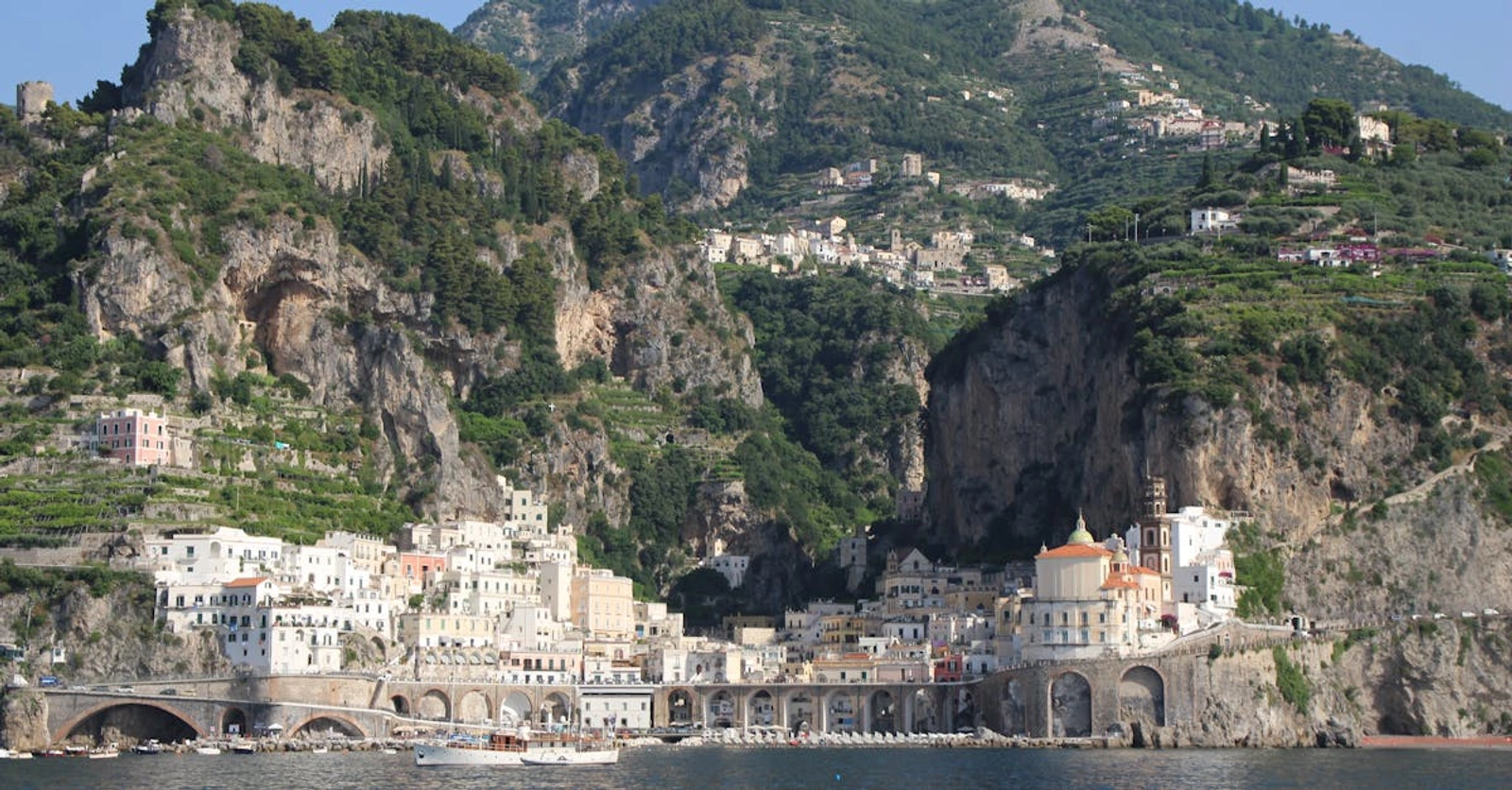
Your Amalfi Coast food and wine guide starts with a confession: the first time I tasted colatura di alici, a fermented anchovy sauce drizzled over spaghetti in the tiny fishing village of Cetara, I understood why people return to this coastline year after year. It wasn't the view (though the Tyrrhenian Sea shimmered like hammered silver). It was the food.
This 50-kilometer stretch of southern Italian coastline between Sorrento and Salerno produces some of the most intensely flavored cuisine in the Mediterranean. Volcanic soil, salt air, and centuries of fishing tradition converge on every plate. Whether you're planning your first visit or your fifteenth, knowing what to eat on the Amalfi Coast transforms a beautiful vacation into an unforgettable one.
This guide covers the essential dishes, local wines, where to dine, private culinary experiences, and when to visit for peak seasonal flavors.
Key Takeaways
- The Amalfi Coast food and wine scene thrives on hyperlocal ingredients, from Cetara's 13th-century anchovy sauce to Agerola's handmade mozzarella, so plan your itinerary by village, not just by restaurant.
- Must-try dishes include scialatielli ai frutti di mare, colatura di alici pasta, totani e patate, and delizia al limone, each showcasing the coastline's unique terroir.
- The Costa d'Amalfi DOC wines, especially Falanghina and Tintore di Tramonti, are produced in tiny quantities on steep cliffside vineyards and pair perfectly with local seafood.
- For the richest Amalfi Coast food and wine experience, book private cooking classes, anchovy workshops in Cetara, or vineyard tastings in Furore at least two to three weeks in advance.
- Late May and early October offer the ideal balance of peak seasonal flavors, pleasant weather, and manageable crowds for food-focused travelers.
- A luxury villa stay with a private chef and concierge service lets you build a custom culinary itinerary, from morning market tours to multi-course dinners under the stars.
What Makes Amalfi Coast Cuisine Truly Distinctive
Amalfi Coast cuisine is not restaurant food that happens to be near the ocean. It's a living food culture shaped by geography, microclimate, and sheer stubbornness.
The coastline's terraced hillsides, some carved 800 years ago, produce ingredients that simply don't exist elsewhere. The sfusato amalfitano lemon, a PDO-protected variety grown between 50 and 600 meters above sea level, has a fragrant, low-acid flesh that you can eat like an apple. These lemons appear in everything from pasta sauces to desserts to the region's famous limoncello.
Then there's the sea. Fishermen in Cetara have been catching and preserving anchovies using the same salt-curing methods since at least the 13th century. Their colatura di alici, an amber fish sauce aged in chestnut barrels, is often called Italy's answer to ancient Roman garum. A single 100ml bottle takes roughly 12 months to produce.
Inland, the story shifts. The mountain town of Agerola, perched at 650 meters, supplies fior di latte mozzarella and the pungent, semi-hard provolone del Monaco cheese. Tramonti, hidden in the hills behind Maiori, grows grapes and bakes pizza with wholemeal flour in wood-fired ovens that predate most European pizza traditions.
What makes this cuisine distinctive is the compression. Within a 30-minute drive, you move from deep-sea fishing villages to alpine dairy farms to lemon groves clinging to volcanic cliffs. Each microzone contributes something irreplaceable.
Your action step: Before you visit, research the specific towns along the coast and what each is known for, Cetara for anchovies, Agerola for cheese, Minori for pasta. Planning by village, not just by restaurant, gives you a richer experience.
Iconic Dishes and What to Eat on the Amalfi Coast
Knowing what to eat on the Amalfi Coast before you arrive saves you from defaulting to generic tourist menus. Here are the dishes that define this coastline.
Fresh Seafood and Coastal Specialties
Seafood here isn't a menu category, it's the foundation. The Tyrrhenian Sea yields anchovies, squid, clams, mussels, prawns, and lobster, most of it caught within sight of shore.
The dishes you should not miss:
- Totani e patate, A humble squid-and-potato stew slow-cooked in tomato sauce. It looks rustic. It tastes extraordinary. Praiano does it best.
- Colatura di alici pasta, Spaghetti tossed with Cetara's aged anchovy extract, garlic, olive oil, and parsley. The umami depth rivals anything in Japanese cuisine.
- Totani ripieni, Squid stuffed with breadcrumbs, capers, olives, and their own tentacles, then braised in tomato.
- Risotto ai frutti di mare, A mixed shellfish risotto where the broth is made from the shells themselves.
- Raw fish platters (crudo), Fresh-caught fish served with nothing but lemon juice, sea salt, and olive oil.
If you're staying in a luxury seafront villa in Praiano, ask your concierge to arrange a morning trip to the fishermen's co-op. You'll eat what was swimming three hours earlier.
Handmade Pastas and Regional Classics
Scialatielli ai frutti di mare is the Amalfi Coast's signature pasta. The noodles, thick, short, slightly chewy, are made with flour, water, milk, basil, and sometimes grated cheese. They're tossed with mussels, clams, prawns, and squid in a garlic-tomato sauce. Every restaurant makes them slightly differently.
Other pastas worth seeking out:
- Ndunderi, Ancient ricotta-and-semolina gnocchi from Minori, possibly the oldest pasta shape in Italy, documented since Roman times.
- Tagliolini al limone, Thin ribbons of pasta with a butter-lemon-cream sauce that somehow tastes lighter than it sounds.
- Pasta e fagioli con le cozze, Beans and mussels in broth with short pasta. A fisherman's dish turned regional icon.
- Spaghetti alle vongole, Clams sautéed with garlic, white wine, and parsley over spaghetti. The Amalfi version uses tiny local clams with intense brininess.
In Tramonti, try the local pizza. It's made with wholemeal flour, topped with fior di latte from Agerola, and baked in wood-fired ovens. Some food historians argue this tradition predates Neapolitan pizza.
Lemons, Limoncello, and Local Desserts
The sfusato amalfitano lemon is not just a garnish here, it's the star ingredient. Its thick, aromatic peel contains essential oils so potent you can smell a lemon grove from 200 meters away.
The definitive lemon dessert is delizia al limone: a dome of sponge cake filled and covered with lemon cream, invented by a pastry chef in Campania in the 1970s. It's now ubiquitous along the coast, and the best versions use hand-squeezed sfusato juice.
Limoncello needs no introduction, but the homemade versions here bear no resemblance to the commercial bottles you find abroad. Families steep lemon peels in grain alcohol for at least 30 days, then mix with sugar syrup. The result is vivid yellow, bracingly aromatic, and served ice-cold after every meal.
Other desserts to try:
- Limoncello tiramisù, A citrus twist on the classic, replacing coffee with limoncello.
- Sfogliatella, A shell-shaped pastry filled with ricotta and candied citrus, originally from nearby Naples.
- Parmigiana di melanzane, Not a dessert, but often served as a rich side dish alongside fresh mozzarella and insalata Caprese.
Your action step: Visit a lemon grove tour in Amalfi or Ravello. Most last about 90 minutes, include a limoncello tasting, and cost roughly €25–40 per person. Book at least two weeks ahead during peak season.
The Wines of the Amalfi Coast: Varieties Worth Savoring
Wine production on the Amalfi Coast is tiny by Italian standards, roughly 300 hectares total, with many vineyards so steep they can only be harvested by hand. But what these winemakers lack in volume, they compensate for in character.
The Costa d'Amalfi DOC designation, awarded in 1995, covers three sub-zones: Furore, Ravello, and Tramonti. Each produces wines with distinct profiles shaped by altitude, soil composition, and sun exposure.
White wines dominate, and for good reason, they're built to accompany seafood.
- Falanghina, Crisp, mineral, with notes of citrus blossom and white peach. The best bottles come from Furore, where vines cling to cliffs 300 meters above the sea.
- Biancolella, A grape native to the island of Ischia, now grown in Tramonti. Light-bodied with saline undertones that mirror the coastal air.
- Ginestra, A rare local variety producing aromatic, floral whites. Fewer than 20 hectares exist.
For reds, Tintore di Tramonti is the standout, a grape that DNA analysis has linked to ancient Roman varieties. It produces medium-bodied wines with earthy berry flavors, perfect alongside grilled meats or provolone del Monaco.
The winery Marisa Cuomo in Furore is perhaps the most famous producer, with its Fiorduva white consistently earning international recognition. A visit to their cliffside cantina is worth the winding drive.
A bottle of quality Costa d'Amalfi DOC white runs €15–35 at local restaurants, surprisingly affordable given the painstaking production. Some vineyards produce as few as 3,000 bottles per year.
Your action step: Ask your villa concierge to arrange a private tasting at a local vineyard in Furore or Tramonti. These tend to be intimate, unhurried affairs, 2 to 3 hours, and many include a paired lunch. Book 3 weeks in advance during summer.
Where to Dine: Exceptional Restaurants From Positano to Ravello
Dining on the Amalfi Coast rewards those who venture beyond the main piazzas. The best meals often happen in places you'd walk past if you didn't know to look.
In Positano, seek out trattorias on the upper streets, away from the beach. The tagliolini al limone here, served on terraces overlooking the pastel cascade of buildings, is worth every step of the climb. Expect to spend €80–150 per person at a quality restaurant with wine.
In Cetara, the entire village revolves around anchovies. Family-run restaurants serve colatura di alici pasta, fried anchovy platters, and anchovy-stuffed peppers. Prices are notably lower here than in Positano, a full seafood dinner with local wine runs €40–60 per person.
In Ravello, dining takes on a more refined atmosphere. Clifftop restaurants 350 meters above the sea pair Amalfi Coast cuisine with panoramic views that extend to the Cilento coast. A clifftop villa near Ravello puts you minutes from these restaurants while offering a private retreat afterward.
In Praiano, look for restaurants specializing in totani e patate and grilled catch of the day. This quieter town between Positano and Amalfi offers serious food without the crowds.
In Agerola, farmhouse restaurants (agriturismi) serve provolone del Monaco, fresh mozzarella, and grilled meats from local farms. A meal here costs roughly €30–45 per person and feels like eating at someone's home, because essentially, you are.
A few practical tips:
- Reserve 3–5 days ahead for popular restaurants in Positano and Ravello during June through September.
- Lunch is often better value than dinner, with the same kitchen and lower prices.
- Ask for the local wine list, many restaurants offer Costa d'Amalfi DOC wines that aren't exported.
Your action step: Identify two or three towns you want to dine in, and book one restaurant in each before you arrive. Leave at least one evening unplanned so your concierge can recommend based on what's freshest that day.
Private Culinary Experiences for Discerning Travelers
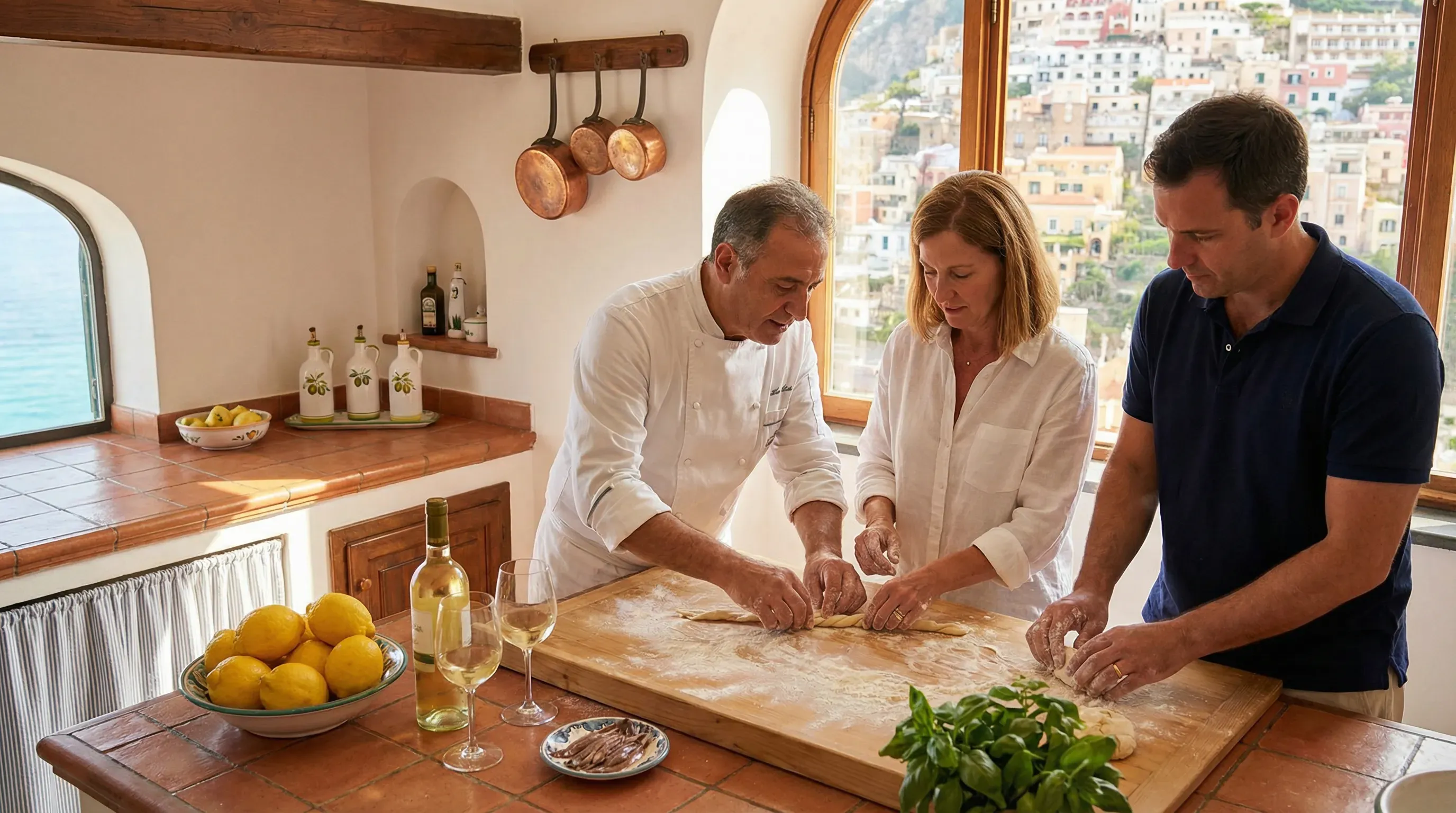
The best Amalfi Coast food and wine experiences aren't in restaurants at all. They happen in kitchens, on fishing boats, and inside farmhouse cellars.
Private cooking classes with local chefs are the most popular option, and for good reason. A typical 3-hour session in a private villa kitchen covers handmade scialatielli, a seafood second course, and delizia al limone. You eat everything you cook, paired with local wines. Expect to pay €150–300 per person for a premium experience with a recognized chef.
Anchovy workshops in Cetara offer something rarer. Local families who have salt-cured anchovies for generations occasionally open their workshops to small groups (4–8 people). You learn the salting, pressing, and aging process, taste colatura at different stages of maturation, and leave with a bottle. These run roughly €100 per person and last about 2 hours.
Cheese-making visits in Agerola take you to working dairy farms at 650 meters elevation, where you watch fior di latte mozzarella pulled by hand from fresh curd. The best farms also produce provolone del Monaco, which ages in mountain caves for 6 to 18 months.
Private market tours in Amalfi town or Salerno let you shop alongside locals at morning markets, selecting produce for a meal your private chef prepares at your villa. If you're staying at a historic estate near Sant'Agata, the concierge team at NCGVilla can arrange every detail, from the market guide to the chef who arrives at your door.
For wine, private vineyard visits in Furore or Tramonti (mentioned above) are far more rewarding than any tasting room experience.
Your action step: Choose one hands-on experience and one tasting experience. Book both at least 2 weeks ahead. If you're traveling with family, cooking classes are the best choice, kids love making pasta, and there's no age minimum at most private sessions.
Seasonal Highlights and the Best Time to Visit for Food and Wine
Amalfi Coast cuisine shifts dramatically with the seasons. Visiting at the right time means eating entirely different, and sometimes better, food.
Spring (April–May): Anchovy season peaks. Fishermen in Cetara haul in fresh catches daily, and restaurants serve them fried, marinated, and raw. Lemon groves begin their first harvest. Wildflowers appear in salads. Crowds are thin. This is arguably the finest time for food-focused visitors.
Summer (June–August): Peak season for tourism and produce alike. Tomatoes hit their sweetest point in July. Seafood platters dominate every menu. Spaghetti al limone appears on nearly every table. The grape harvest begins in late August in lower vineyards. Expect crowded restaurants and higher prices, a dinner that costs €60 in May may run €90 in July.
Autumn (September–October): The grape harvest in Tramonti and Furore means fresh wine festivals and vineyard activity. Chestnuts from the hillside forests appear roasted on street corners and folded into desserts. Wild mushrooms show up in pasta and risotto. October is the sweet spot: warm enough for outdoor dining, uncrowded enough for spontaneity.
Winter (November–March): Many coastal restaurants close, but those that remain serve hearty soups, braised meats, and lemon-roasted chicken. Agerola's cheese producers are in full swing. It's quiet, atmospheric, and surprisingly rewarding for food lovers who don't need beach weather.
Properties like a grand oceanfront villa in Maiori offer year-round availability, which means you can time your stay to a specific harvest or food festival rather than peak tourism season.
Your action step: For the best balance of weather, food quality, and manageable crowds, book your trip for late May or early October. You'll catch overlapping seasons, spring seafood meets early summer produce, or late summer abundance meets autumn harvests.
Pairing Your Culinary Journey With a Luxury Villa Stay
A hotel stay gives you a room. A villa stay gives you a kitchen, a private chef, a dining terrace with uninterrupted sea views, and the freedom to shape every meal around your preferences.
This distinction matters enormously on the Amalfi Coast, where the best food experiences increasingly happen at home. Private chefs source fish from the morning catch in Amalfi, pick lemons from your villa's own grove, and serve a five-course dinner under the stars, no reservation required, no taxi back.
NCGVilla, founded by Antonella D'Angelo and Ciro Cortese, curates luxury villas across the Amalfi Coast with exactly this kind of experience in mind. Their 24/7 concierge service handles everything from private chef bookings to vineyard visits to anchovy workshop reservations. The service remembers your preferences, if you loved a particular wine at dinner, it appears stocked in your villa the next day.
Consider how location shapes your culinary itinerary:
- Positano villas put you within walking distance of the coast's most famous restaurants and the beach fish market.
- Praiano villas offer quieter positioning between Positano and Amalfi, ideal for travelers who want serious food without the crowds.
- Ravello villas sit at elevation, surrounded by vineyards and gardens, with a more refined dining scene.
- Massa Lubrense villas connect you to the Sorrentine Peninsula's farmland and olive groves, plus easy access to Capri by boat.
For families or groups of 10 or more, villas with multiple dining areas, indoor, outdoor terrace, poolside, let you create entirely different atmospheres for each meal. A long lunch by the pool. A candlelit dinner overlooking the coastline. A casual pizza night in the garden.
Your action step: When booking your villa, tell your concierge about your food and wine priorities upfront. If you want a private chef for 3 of your 7 nights, a vineyard tour on day two, and a Cetara anchovy experience midweek, they can build a culinary itinerary around your stay before you arrive.
Conclusion
The Amalfi Coast doesn't just feed you, it reframes what you thought Italian food could be. This isn't the Italy of heavy red sauces and tourist menus. It's a place where a 13th-century anchovy sauce can stop you mid-sentence, where a lemon tastes like it contains the entire Mediterranean sun, and where a €30 farmhouse meal in Agerola rivals anything a Michelin-starred kitchen produces.
Your best move is simple: plan by ingredient and season, not just by town. Visit Cetara for anchovies in spring. Eat tomatoes in Positano in July. Chase the grape harvest in Tramonti in September. And give yourself permission to skip a famous restaurant in favor of whatever your private chef found at the market that morning.
The coast rewards the curious. Go hungry.
Frequently Asked Questions
What are the must-try dishes in an Amalfi Coast food and wine guide?
Essential dishes include scialatielli ai frutti di mare (handmade pasta with mixed shellfish), colatura di alici pasta from Cetara, totani e patate (squid-and-potato stew), and delizia al limone for dessert. Pair these with a crisp Costa d'Amalfi DOC Falanghina for the full coastal experience.
What local wines should I try on the Amalfi Coast?
Look for Costa d'Amalfi DOC whites like Falanghina from Furore, Biancolella with its saline undertones, and the rare Ginestra grape. For reds, Tintore di Tramonti pairs beautifully with grilled meats and aged provolone del Monaco. A quality bottle costs just €15–35 at local restaurants.
When is the best time to visit the Amalfi Coast for food and wine?
Late May and early October offer the ideal balance of peak ingredients, pleasant weather, and manageable crowds. Spring brings fresh anchovies and lemon harvests, while autumn features grape harvests, chestnut festivals, and wild mushrooms, all at lower prices than the busy summer months.
How can a luxury villa enhance an Amalfi Coast food and wine experience?
A villa stay provides a private kitchen, dedicated chef, and sea-view dining terrace, letting you shape every meal around seasonal ingredients. Properties like a seafront villa in Praiano or a clifftop retreat near Ravello offer concierge-arranged chef bookings, vineyard tours, and market excursions.
What private culinary experiences are available on the Amalfi Coast?
Top options include hands-on cooking classes in a private villa kitchen (€150–300/person), anchovy-curing workshops in Cetara (€100/person), cheese-making visits in Agerola, and intimate vineyard tastings in Furore. Staying at a historic estate near Sant'Agata or a grand oceanfront villa in Maiori means your concierge can arrange every detail.
Is the Amalfi Coast good for food lovers traveling with family?
Absolutely. Private cooking classes welcome children with no age minimum, kids love making scialatielli pasta by hand. Lemon grove tours, cheese farm visits in Agerola, and casual pizza nights in Tramonti appeal to all ages. A spacious villa in Massa Lubrense gives families poolside lunches and flexible private-chef dinners.