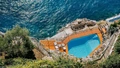


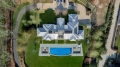
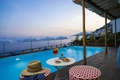
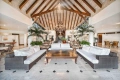
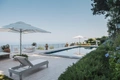
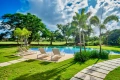
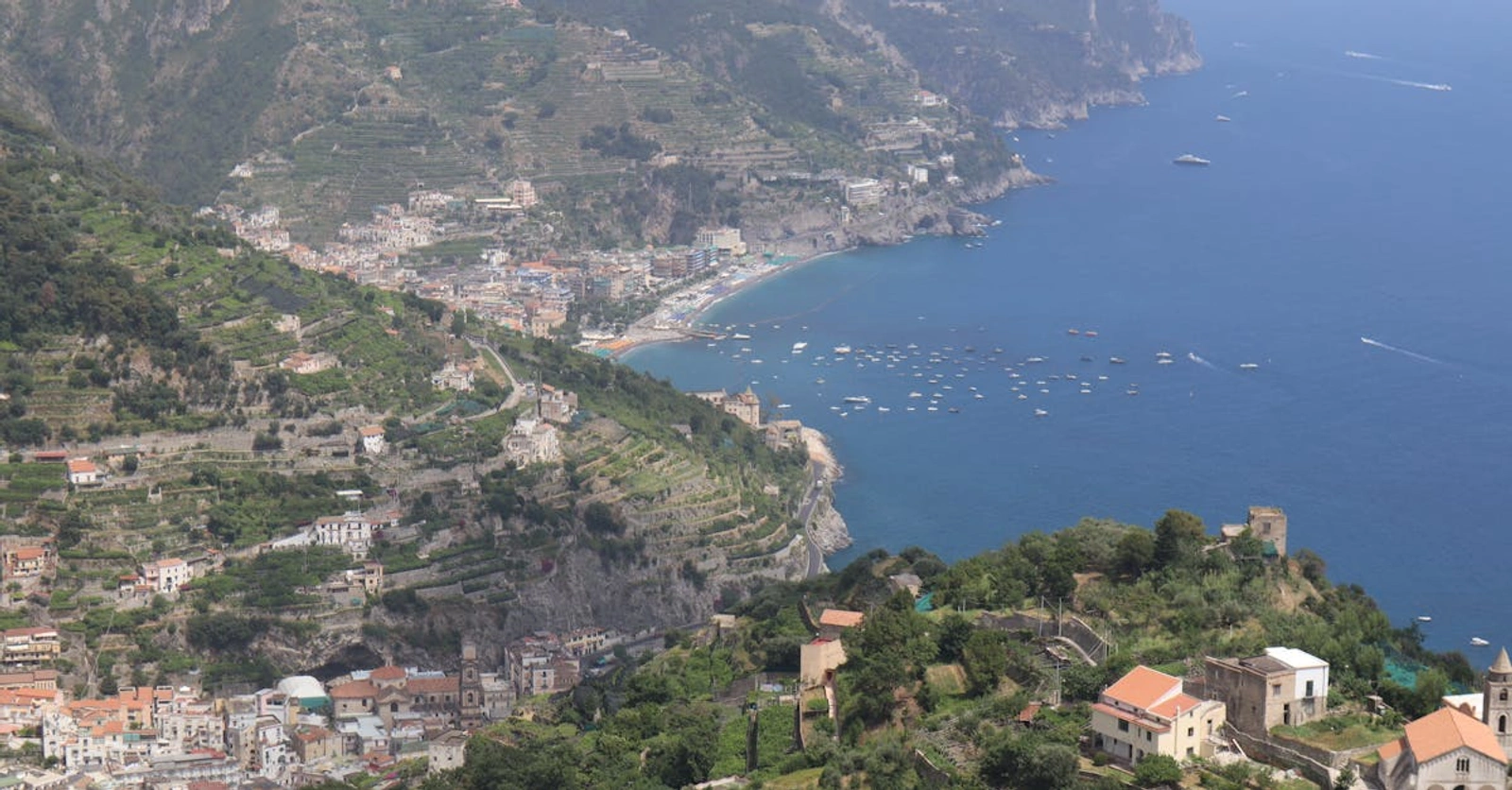
The types of villas on the Amalfi Coast range from 17th-century cliff-perched estates to sleek modern retreats with infinity pools stretching toward the Tyrrhenian Sea. For travelers who expect more than a beautiful view, who want a property that feels like it was built specifically for the way they live, understanding these distinctions matters.
This stretch of southern Italy's Campania coast packs an extraordinary range of architectural styles into just 50 kilometers of dramatic shoreline. A villa in Ravello feels nothing like a villa in Praiano. A converted palazzo operates on a completely different register than a rustic farmhouse tucked among olive groves above Sorrento.
This guide breaks down each major Amalfi Coast villa style, explains exactly what sets them apart, and helps you match your priorities, privacy, history, beach access, family space, to the property that fits.
Key Takeaways
- The types of villas on the Amalfi Coast span five distinct styles, historic cliff-side estates, modern luxury retreats, converted palazzos, rustic farmhouses, and seafront properties with private beach access.
- UNESCO protections limit new construction, so most Amalfi Coast villas are 100–400 years old and blend original architectural heritage with modern comforts like heated pools and smart home systems.
- Private beach access is the rarest amenity on the coast, expect rock-carved staircases, small coves, and a significant price premium rather than wide sandy beaches.
- Match your villa style to your group size: couples suit intimate farmhouses, families thrive in modern villas with pools, and groups of 12–30 guests need converted palazzos or estate properties.
- Before booking, identify your three non-negotiables, such as pool access, walkability to town, or chef service, and share them with your villa provider to avoid choosing a property based on photos alone.
- Test a provider's concierge quality by sending a specific, slightly unusual request before you commit, the speed and detail of their response reveals the true service level you'll experience.
What Makes Amalfi Coast Villas Unique
Most luxury destinations offer beautiful homes. The Amalfi Coast offers something rarer: villas shaped by geography that couldn't exist anywhere else on earth.
These properties cling to near-vertical limestone cliffs, terraced into hillsides that drop 300 meters to turquoise water below. That geography forces architectural creativity. Rooms cascade down multiple levels. Gardens wrap around natural rock formations. Terraces sit at angles that frame the sea like a painting you didn't commission but couldn't have designed better.
Then there's the agricultural heritage. Unlike generic resort architecture, Amalfi Coast villa styles reflect centuries of lemon cultivation, winemaking, and Mediterranean farming. You'll find:
- Lemon pergolas (the famous limonaia structures) integrated into garden terraces
- Centuries-old olive groves serving as natural privacy screens
- Vineyard paths connecting villa grounds to surrounding hillsides
- Hand-painted majolica tiles unique to each village's ceramic tradition
The UNESCO World Heritage designation (granted in 1997) means strict building regulations protect the coastline's character. New construction is rare. Most properties you'll encounter have histories stretching back 100 to 400 years, renovated with modern comforts but preserving original bones.
This combination, dramatic cliffside positioning, agricultural integration, and protected architectural heritage, creates Amalfi villa features you simply won't find in Ibiza, the Caribbean, or even other parts of Italy. Each town along the coast, from Positano to Vietri sul Mare, developed its own building traditions based on local stone, available terracing, and proximity to the sea.
Your action step: Before searching for a villa, decide whether you prioritize historical character, modern amenities, or direct sea access. This single decision narrows the field dramatically.
Historic Cliff-Side Villas
Picture this: you step through an iron gate, walk beneath a 280-year-old wisteria, and enter a salon with hand-painted ceiling frescoes that took artisans three years to complete. That's Tuesday at a historic cliff-side villa on the Amalfi Coast.
These properties represent the most iconic type of villa on the Amalfi Coast. They were originally built between the 16th and 19th centuries as summer residences for Neapolitan nobility, wealthy merchants, and, later, international literary figures. Writer Gore Vidal famously owned Villa Rondinaia in Ravello for over 30 years. These aren't museum pieces, though. The best ones have been carefully updated with climate control, modern kitchens, and heated pools while keeping their soul intact.
Historic cliff-side villas typically accommodate 10 to 30 guests, making them ideal for multi-generational family gatherings or intimate celebrations. Properties like Villa Aurora in Positano, a 1741 estate with 10 bedrooms and panoramic terraces, demonstrate how these grand homes balance period grandeur with genuine livability.
Architectural Heritage and Period Features
The details inside these villas tell specific stories. 18th-century terracotta floors in warm sienna tones were fired in local kilns. Faience tiles from Vietri sul Mare, each hand-painted with lemons, fish, or geometric patterns, line bathrooms and kitchen walls. Neoclassical columns frame doorways that open onto loggias with 180-degree sea views.
Specific period features to look for:
- Barrel-vaulted ceilings (typical of 17th-century construction, designed to keep rooms cool in summer)
- Original stone staircases with wrought-iron railings
- Chapel rooms or private oratories (common in noble estates)
- Watchtower elements from the coast's defensive history against Saracen raids
A property like Villa Torre in Vietri sul Mare, a converted 16th-century tower with 6 bedrooms, private beach access, and a heated pool, shows how military architecture transforms into extraordinary residential living.
One honest note: historic villas sometimes involve trade-offs. Stairways can be steep. Room layouts follow centuries-old logic rather than open-plan preferences. Bedrooms vary in size. For some guests, that's part of the charm. For others, especially those with mobility concerns, a modern build may suit better.
Your action step: If historical character matters to you, request a floor plan before booking. Ask specifically about stair counts between levels and whether the property has an elevator, roughly 15% of restored historic villas now include one.
Modern Luxury Villas With Infinity Pools
Not every traveler wants to sleep in a room where a duke once drafted his correspondence. Some want clean lines, floor-to-ceiling glass, and an infinity pool that appears to pour directly into the Mediterranean 200 meters below.
Modern luxury villas on the Amalfi Coast are relatively rare, again, UNESCO protections limit new construction, which makes the ones that exist feel particularly special. Many date from the 1950s and 1960s, when a wave of international architects discovered the coast, and have since been renovated with contemporary materials and technology.
These properties typically feature:
- Infinity pools engineered into cliff edges (some with underwater speakers and chromotherapy lighting)
- Automated climate and lighting systems controllable from your phone
- Professional-grade kitchens with induction cooktops and wine refrigeration
- Minimalist interiors using local travertine, glass, and reclaimed wood
The best modern villas on the Amalfi Coast don't ignore the landscape, they amplify it. Panoramic terraces face the Li Galli islands. Outdoor dining areas are positioned to catch sunset at the precise angle where the sky turns apricot over Capri.
An oceanfront villa in Maiori with 7 bedrooms and an infinity pool demonstrates this philosophy: contemporary design that serves the view rather than competing with it, backed by 24/7 concierge support.
Expect to pay a premium for modern Amalfi Coast villa styles. Weekly rates during peak season (June through September) for a top-tier modern villa with 5+ bedrooms typically start around €25,000 and can exceed €80,000. The scarcity drives pricing.
Your action step: If modern design is your priority, book 8 to 12 months in advance for peak season. Inventory is genuinely limited, there are fewer than 40 truly modern luxury villas available for rent along the entire coast.
Converted Palazzo and Estate Villas
Here's where the types of villas on the Amalfi Coast get interesting for larger groups. Converted palazzos and estate villas are former aristocratic compounds, sometimes spanning two hectares or more, that have been reimagined as private rental properties.
Think of them as small villages unto themselves. A typical converted estate might include:
- A main house with 6-8 bedrooms and formal living spaces
- Guest annexes or converted outbuildings adding 4-6 additional bedrooms
- Staff quarters for a private chef, housekeeper, and security
- Multiple outdoor zones: pool terrace, solarium, barbecue pavilion, and shaded garden areas
The scale matters. A property like Villa Anna in Sant'Agata, a 19th-century estate accommodating up to 30 guests with a private pool, tennis court, helipad, and views over the Bay of Naples, represents this category at its most expansive. These are properties designed for events, extended family holidays, or corporate retreats where everyone needs space to breathe.
Converted palazzos also tend to include architectural elements you won't find in other Amalfi Coast villa styles: grand entrance halls with double-height ceilings, formal dining rooms seating 20+, library rooms with original bookcases, and courtyard gardens with fountains.
The trade-off? These estates are often located slightly inland or elevated above the main coastal road, which means you're trading direct waterfront proximity for space and privacy. Most are a 5- to 15-minute drive from the nearest beach or village center.
Your action step: For groups of 15 or more, a converted estate almost always provides better value per guest than booking multiple smaller villas. Calculate your per-person cost, it often works out to €200-€400 per person per night for a property that would cost multiples of that if you split the group across boutique hotels.
Rustic Farmhouse Villas in the Hillside Countryside
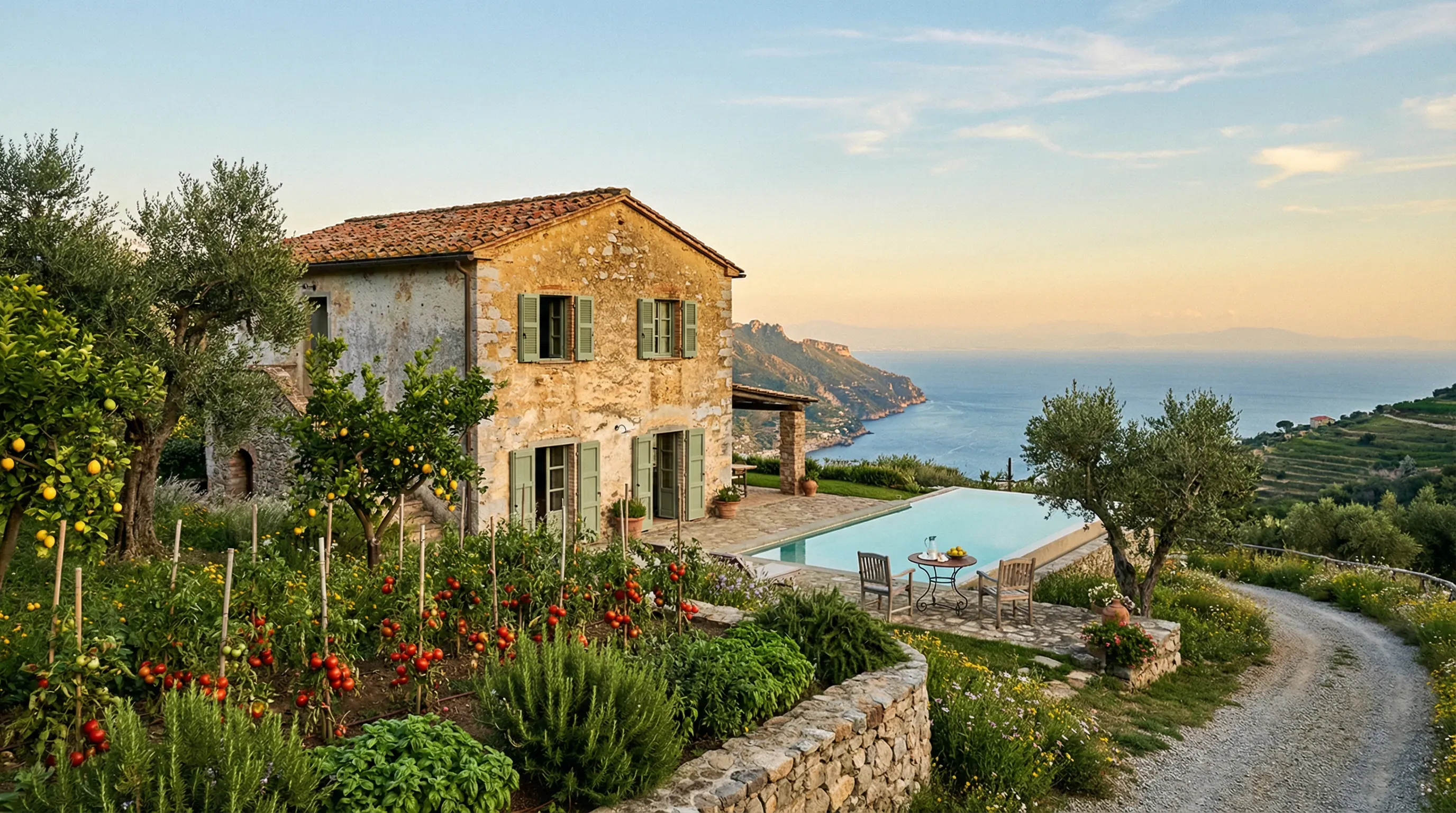
Above the glamour of Positano and the bustle of Amalfi town, the hillside countryside hides a different experience entirely. Rustic farmhouse villas sit among working olive groves and citrus orchards at elevations of 300 to 500 meters, where the air smells like rosemary and the only sounds are birdsong and distant church bells.
These are former agricultural properties, masserie, case coloniche, or simple contadino homes, restored with respect for their original materials. Expect exposed stone walls, chestnut-beam ceilings, wood-burning fireplaces, and kitchen gardens where you can pick tomatoes for dinner.
Rustic farmhouse villas appeal to a specific type of traveler. You want seclusion. You're comfortable driving narrow hillside roads (a legitimate skill on this coast). You value authenticity over polish. And you understand that "rustic" in this context still means beautiful linens, excellent bathrooms, and a pool with views stretching to the sea, just without the marble floors and formal salons.
Accommodation sizes range from intimate 2-bedroom retreats for couples to larger 6-bedroom farmhouses suited for families. Properties near the Sorrento peninsula and in the hills above Maiori are particularly well-positioned, offering quick access to both the Amalfi Coast and the quieter Sorrentine countryside.
One thing to know: these villas typically sit at least 20-30 minutes by car from the coast's main towns. A private driver or rental car isn't optional, it's essential. Many guests find this is actually a benefit. After a day exploring Ravello's gardens or shopping in Positano, returning to genuine quiet feels restorative rather than inconvenient.
Your action step: If seclusion appeals but you don't want to feel isolated, look for farmhouse villas in the hills above Praiano or between Agerola and Furore. These areas balance countryside quiet with 15- to 20-minute drives to restaurants and beaches.
Seafront Villas With Private Beach Access
Private beach access on the Amalfi Coast is the single rarest amenity you can find. The coastline is predominantly public by Italian law, and the steep terrain means very few properties have legitimate pathways to the water. When a villa does offer this, it commands attention, and a significant premium.
Seafront villas with beach access fall into two categories:
- Direct access properties where a private staircase (often carved into rock) descends from the villa grounds to a cove, jetty, or beach platform
- Proximate access properties where the villa sits within 100-300 meters of a private or semi-private beach club, sometimes with reserved loungers and boat mooring
Praiano and the stretch between Positano and Amalfi town offer the highest concentration of seafront villas. A clifftop villa in Positano with private sea access and a jacuzzi can mean waking up, walking down 87 stone steps, and swimming in water so clear you can count pebbles at 5 meters depth.
Key Amalfi villa features to evaluate in seafront properties:
- Step count to the water (ask for the exact number, it ranges from 40 to 200+)
- Sea conditions at the access point (some coves are sheltered: others face open water)
- Boat mooring availability (critical if you plan to charter a yacht for day trips to Capri)
- Sun exposure hours at beach level (cliff shadows can reduce afternoon sun at some locations)
Be realistic about one thing: private beach access on this coast rarely means a wide sandy beach. It typically means a rocky cove, a concrete sun platform, or a small pebble beach. The water access is stunning, but if you need soft sand and gentle waves, the Amalfi Coast isn't that destination.
Your action step: Ask for photos of the beach access at different times of day and during different sea conditions. A beautiful cove in calm July weather may be inaccessible during autumn swells. This is not for guests who want guaranteed daily beach time, it's for those who value the option and the exclusivity.
Key Amalfi Villa Features to Look For
Beyond architectural style, the features within an Amalfi Coast villa determine whether your stay feels good or extraordinary. After reviewing hundreds of properties, certain Amalfi villa features consistently separate exceptional experiences from merely pleasant ones.
Privacy, Outdoor Living, and Concierge Services
Privacy isn't just about seclusion, it's about design. The best villas on the Amalfi Coast achieve privacy through:
- Gated driveways with intercom systems
- Mature gardens (century-old cypresses, bougainvillea walls, citrus hedges) that screen neighboring properties
- Multi-level terracing that creates separate zones for different guests
- Soundproofing in bedrooms facing roads or village streets
Outdoor living defines the Amalfi villa experience. You'll spend 70-80% of your waking hours outside. Look for properties with multiple terrace levels (so different groups can enjoy sun or shade simultaneously), outdoor dining for your full party size, and pool positioning that catches both morning and evening light.
Then there's concierge service, and this is where types of villas on the Amalfi Coast diverge most sharply in quality. A basic rental gives you a set of keys and a local phone number. A premium experience means:
- A private chef who sources ingredients from Agerola dairy farms and Cetara anchovy suppliers
- Pre-arrival provisioning so your kitchen is stocked with your preferred wines and pantry items
- Restaurant reservations at places like Da Adolfo or Rossellinis where tables book out months ahead
- Activity coordination: boat charters, vineyard tours, cooking classes, helicopter transfers
NCGVilla, co-founded by Antonella D'Angelo and Ciro Cortese, built their Amalfi Coast villa collection around exactly this philosophy, 24/7 concierge support that remembers your preferences from stay to stay, not a call center reading from a script.
Your action step: Before booking, send a test request through the villa provider's concierge channel. Ask for a specific, slightly unusual favor, a particular wine vintage, a private pottery lesson in Vietri, a specific boat for a Capri day trip. The speed and specificity of the response tells you everything about the service level you'll actually receive.
How to Choose the Right Villa Style for Your Stay
Choosing among the types of villas on the Amalfi Coast comes down to three questions. Answer these honestly, and the right property type becomes obvious.
Question 1: What's your group composition?
- Couples or small groups (2-6 guests): A rustic farmhouse or boutique seafront villa offers intimacy without excess space. Budget: €3,000-€15,000/week.
- Families with children (6-12 guests): Modern luxury villas with pools and flat garden areas work best. Children and historic cliff edges don't mix. Budget: €10,000-€40,000/week.
- Multi-generational groups or events (12-30 guests): Converted estates and palazzos provide the only real option at this scale. Budget: €20,000-€80,000+/week.
Question 2: What do you want to feel?
- If you want cultural immersion, choose a historic villa in Ravello or Amalfi town. Wake up to church bells, walk to piazzas, absorb 800 years of history through your walls.
- If you want pure relaxation, a modern villa with an infinity pool in Praiano lets you spend three days without leaving the property and feel no regret.
- If you want adventure as a base, a seafront villa with boat access positions you for daily exploration, Capri, the Emerald Grotto, fishing villages only reachable by water.
Question 3: How important is proximity to towns and restaurants?
This is the question people underestimate. A stunning hillside villa 35 minutes from Positano sounds fine in theory. On the third night, when you want a spontaneous dinner at a seaside trattoria, that drive on dark, winding roads tests your patience.
For guests who want to dine out frequently, villas within walking distance of Positano, Amalfi, or Ravello's clifftop restaurants save real friction. For those happy with a private chef most evenings, location matters less.
Your action step: Write down your three non-negotiables (pool, beach access, walkability to a town, guest count capacity, specific town preference, chef service, whatever matters most). Share these with your villa provider before browsing listings. This prevents the common mistake of falling in love with a property photo that doesn't match your actual needs.
Conclusion
The types of villas on the Amalfi Coast reflect the coast itself, varied, layered, and impossible to reduce to a single experience. A 17th-century cliff-side estate in Positano, a minimalist modern retreat in Praiano, a sprawling converted palazzo near Sant'Agata, a quiet farmhouse above the tree line, each delivers a fundamentally different version of one of the world's most celebrated coastlines.
The best choice isn't the most expensive property or the one with the most Instagram-ready pool. It's the one that matches how you actually want to spend your days. Get that match right, and the Amalfi Coast does something no other destination quite manages: it makes you feel like the entire Mediterranean was arranged for your benefit.
Start with your non-negotiables. Be honest about your group's needs. And work with a provider who knows these properties from the inside, not from a database, but from years of placing guests in the right villa at the right moment.
Frequently Asked Questions
What are the main types of villas on the Amalfi Coast?
The types of villas on the Amalfi Coast include historic cliff-side estates, modern luxury villas with infinity pools, converted palazzo and estate properties, rustic farmhouse villas in the hillside countryside, and seafront villas with private beach access. Each style reflects the coast's unique geography, from properties like Villa Aurora in Positano to sleek contemporary retreats in Praiano.
How much does it cost to rent a luxury villa on the Amalfi Coast?
Weekly rates vary by villa type and season. During peak months (June–September), modern luxury villas with 5+ bedrooms start around €25,000 and can exceed €80,000 per week. Converted estates for larger groups often work out to €200–€400 per person per night. Browse Amalfi Coast villa rentals to compare options across different styles and budgets.
Can you find villas with private beach access on the Amalfi Coast?
Yes, but private beach access is the rarest amenity on the Amalfi Coast. Italian law keeps most shoreline public, so only a handful of villas offer private staircases to coves or reserved beach platforms. Praiano and the stretch near Positano have the highest concentration, properties like Villa Luana in Positano feature exclusive sea access with concierge support.
What is the best Amalfi Coast town to rent a villa for a family holiday?
It depends on your priorities. Ravello suits families seeking cultural immersion and tranquil hilltop settings, while Praiano offers modern villas with pools and more relaxed surroundings. For larger multi-generational groups, estates near Sant'Agata, such as Villa Anna, provide ample space, private grounds, and panoramic Bay of Naples views.
Why are Amalfi Coast villas so architecturally unique?
UNESCO World Heritage protections since 1997 limit new construction, so most villas are 100–400 years old with preserved original features. The near-vertical limestone cliffs force creative multi-level designs, while centuries of lemon cultivation and winemaking integrate agricultural elements like limonaia pergolas and hand-painted majolica tiles into each property's character.
When should I book an Amalfi Coast villa for peak season?
Book 8 to 12 months in advance for peak season (June–September), especially if you want a modern luxury villa, fewer than 40 truly contemporary properties exist along the entire coast. Historic villas like Villa Torre in Vietri sul Mare also fill quickly, so early planning ensures the best selection and availability.