





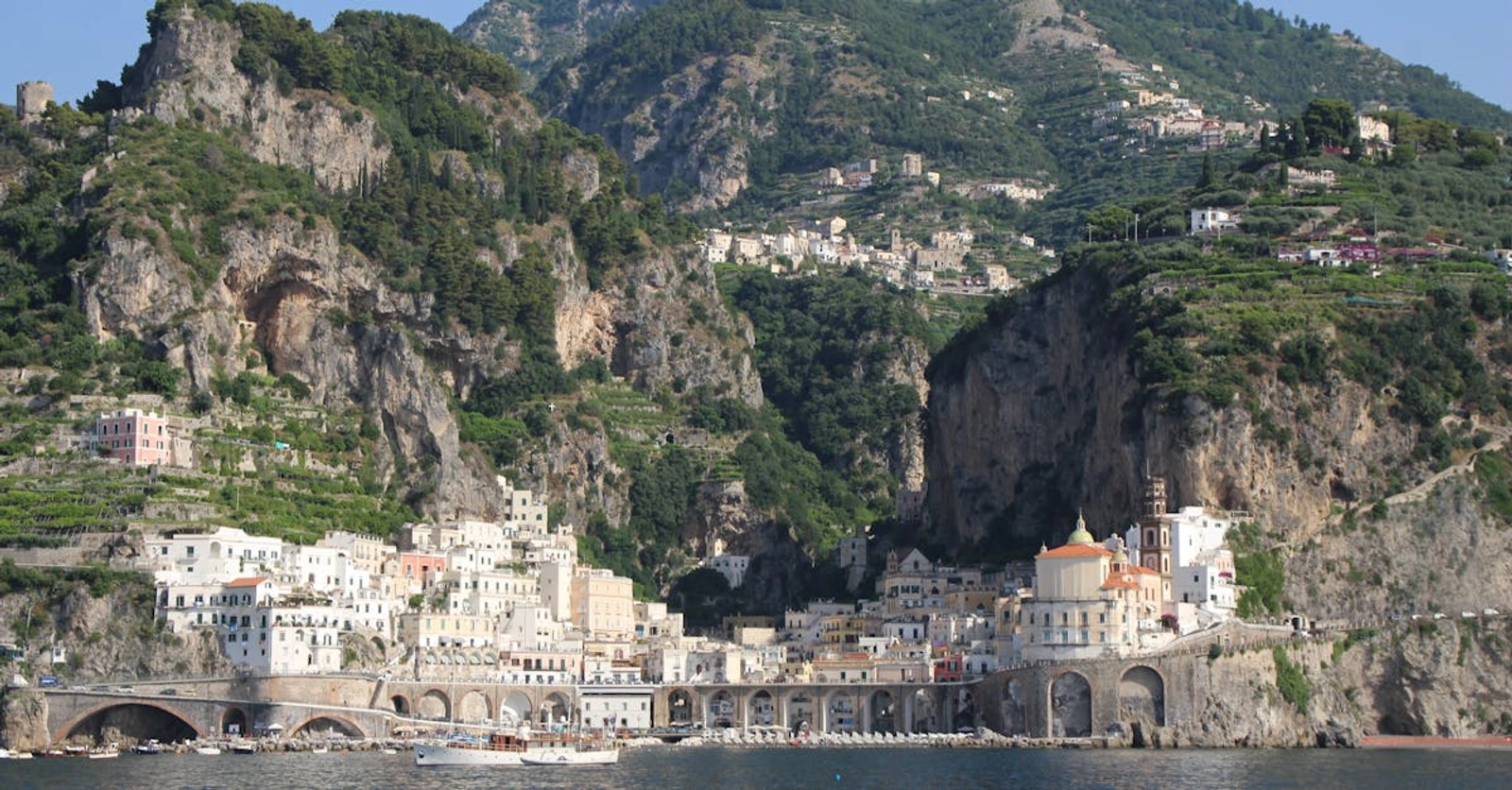
The best time to visit the Amalfi Coast depends on what you value most: golden light on limestone cliffs, an empty beach at sunrise, or the electric buzz of an Italian summer evening. Each season offers a different version of this 34-mile stretch of Mediterranean coastline, and choosing the wrong month can mean gridlocked coastal roads, shuttered restaurants, or rain-soaked afternoons.
This guide breaks down every season with exact temperatures, crowd levels, and honest trade-offs so you can plan a trip that matches your priorities. Whether you're considering when to go to the Amalfi Coast for a private family retreat or scouting the Amalfi Coast best months for a quieter, more refined experience, the details below will sharpen your decision.
Key Takeaways
- The best time to visit the Amalfi Coast for most travelers is May or September, offering warm weather (68–77°F), swimmable seas, and significantly fewer crowds than peak summer.
- Early June and September strike the ideal balance between sunshine and serenity, with beaches at roughly 60% capacity and sea temperatures reaching up to 77°F.
- July and August deliver maximum energy and activities, including the Ravello Festival, but bring intense crowds, midday traffic gridlock, and restaurant prices 20–30% above shoulder-season rates.
- October is a hidden gem for privacy seekers, with villa rates dropping 15–30% and comfortable hiking conditions along the Path of the Gods.
- Winter (November–March) offers dramatic scenery and up to 60% off peak pricing, but many restaurants, hotels, and ferry services close in smaller villages.
- To lock in the best properties during the Amalfi Coast's top months, book your villa and private experiences 3–6 months ahead for shoulder season or 6+ months for peak summer.
Spring: The Ideal Season for an Amalfi Coast Escape
Spring is the season locals love most. The terraced lemon groves are heavy with fruit, wisteria drapes over stone walls, and the sea shifts from steel-gray to turquoise almost overnight. If you're deciding when to go to the Amalfi Coast and you prize beauty without chaos, this is your window.
April and May: Mild Weather and Uncrowded Luxury
April temperatures hover between 55–65°F, warming to 65–72°F by late May. Rain tapers off significantly after Easter week, Positano sees roughly 7 rainy days in April, dropping to 4–5 in May. That's a fraction of winter's downpours.
What makes spring exceptional for discerning travelers:
- Wildflowers blanket the Path of the Gods, the famous Sentiero degli Dei hiking trail above Praiano, with visibility stretching to Capri on clear mornings
- Ferries and boutique hotels reopen in mid-April, but visitor numbers stay 40–60% below July peaks
- Restaurant reservations are easy, even at sought-after spots like Zass in Positano or Rossellinis in Ravello
May is arguably the single best month. Water temperature reaches about 66°F, brisk, but swimmable for the adventurous. And the light? Photographers call it "soft gold." You'll notice it in the way Ravello's clifftop gardens glow at sunset.
For a private villa stay, spring offers another advantage: availability. Properties like a clifftop villa in Ravello or an infinity-pool retreat in Praiano book quickly for summer but remain accessible in April and May, often at more favorable rates.
Action step: If you're targeting May, book your villa and any private boat charters at least 90 days ahead. Spring is gaining popularity fast, and the best properties don't last.
Summer: Peak Season Along the Mediterranean
Summer on the Amalfi Coast is a spectacle. The water is warm, the nightlife pulses, and every restaurant terrace is alive past midnight. But "peak season" carries real trade-offs that luxury travelers should weigh carefully.
Early June and September: The Sweet Spot Between Sun and Serenity
Early June and September deliver the best of summer without the worst of it. Expect daytime highs of 68–80°F, sea temperatures around 72–76°F, and sunshine roughly 10 hours per day.
These shoulder weeks matter because Italian schools don't break until mid-June, and most families return by early September. The result: beaches at 60% capacity, shorter waits for the famous Amalfi Drive, and a calmer atmosphere at landmarks like the Emerald Grotto.
September adds a bonus. The sea is actually warmer than in June, peaking near 77°F after months of summer heat. A September evening in Positano, dining on grilled branzino with a view of Li Galli islands, is hard to beat.
If you're weighing the Amalfi Coast best months for a balance of warmth and exclusivity, early June and September are the answer. You can secure a luxury villa along the Amalfi Coast with full concierge service and actually enjoy the coastline at a human pace.
July and August: Vibrant but Crowded
Let's be honest. July and August are intense. Temperatures push 82–86°F (sometimes higher), humidity rises, and the narrow coastal road between Sorrento and Salerno becomes a single-lane parking lot during midday.
The numbers tell the story: the Amalfi Coast welcomes roughly 5 million visitors annually, and an estimated 40% arrive in July and August alone. Positano's Spiaggia Grande beach, already small, fills by 10 a.m. Restaurant prices spike 20–30% above shoulder-season rates.
That said, summer has its rewards:
- Ravello Festival runs from late June through August, featuring world-class concerts at Villa Rufolo's clifftop stage
- Every ferry route, boat rental, and beach club operates at full capacity, which means maximum flexibility for day trips to Capri or Ischia
- The energy is undeniable, if you thrive in social, lively environments, summer delivers
The key for luxury travelers? A private villa changes the equation entirely. A property with its own pool, terrace, and dedicated staff means you can retreat from the crowds whenever you choose. Consider a seafront villa in Praiano or a panoramic estate in Amalfi town as your private anchor while the coast buzzes around you.
Action step: If July or August is your only option, book 4–6 months ahead and request early-morning private boat transfers to skip road traffic entirely. Ask your concierge team to arrange restaurant bookings before arrival, popular tables disappear weeks in advance.
Autumn: A Hidden Gem for Privacy and Charm
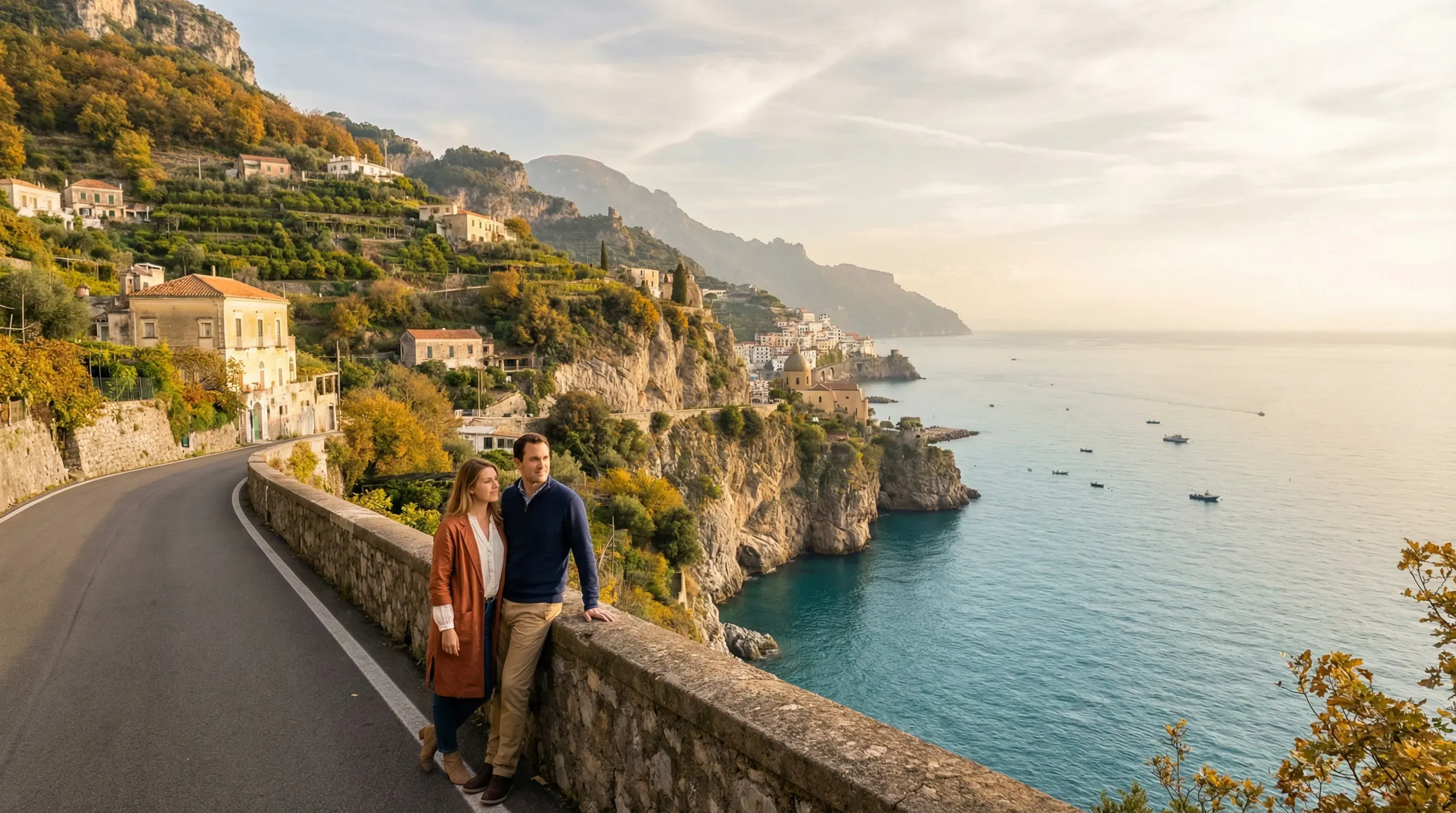
October on the Amalfi Coast feels like a secret. The summer crowds vanish almost overnight, yet the weather remains remarkably pleasant, daytime temperatures of 64–72°F with the sea still warm enough for swimming through mid-October (around 72°F).
This is the season for travelers who want the coast to themselves. Picture an afternoon drive from Ravello to Cetara without a single tour bus ahead of you, or a private tasting of colatura di alici (Cetara's prized anchovy sauce) with the fisherman who made it.
Autumn brings practical advantages too:
- Villa rental rates drop 15–30% compared to peak summer
- The harvest season means fresh-pressed olive oil, ripe figs, and chestnut festivals in hillside villages
- Hiking conditions improve, cooler air makes the 7.8-kilometer Path of the Gods far more comfortable than in August's heat
The honest trade-off: rain increases noticeably by late October, with an average of 10–12 rainy days in November. Some smaller beach clubs close after mid-October. Ferry schedules reduce. If you're planning a late autumn visit, base yourself in a town with year-round infrastructure, Sorrento or Amalfi town work best.
For those who value privacy above all, autumn is when the Amalfi Coast feels most like the exclusive destination it's meant to be.
Action step: Plan an October visit around the first two weeks of the month. You'll catch the tail end of warm swimming weather and still have full access to most restaurants and services. This advice is ideal for couples or small families, larger groups needing multiple activities may find late October limiting.
Winter: Off-Season Tranquility and Exclusive Rates
Winter on the Amalfi Coast is a different world. Temperatures range from 48–60°F, and dramatic storms roll across the Tyrrhenian Sea, sending waves crashing against the cliffs below Amalfi town. It's moody, quiet, and undeniably atmospheric.
Here's the reality: many hotels, restaurants, and shops in smaller villages like Praiano and Conca dei Marini close from November through March. Ferry service drops to minimal schedules or stops entirely. The coast empties out.
But for a specific type of traveler, winter holds genuine appeal:
- Villa rates can drop 50–60% compared to August pricing
- Sorrento and Amalfi town maintain year-round services, including restaurants, markets, and cultural sites
- The Amalfi Cathedral and Ravello's Villa Cimbrone gardens are practically empty, no queues, no selfie sticks, just you and centuries of history
Winter is not for you if you want beach days, island-hopping to Capri, or the full vibrancy of coastal Italian life. It is for you if you're drawn to long lunches with local winemakers, cliffside walks in solitude, and the rare chance to experience these villages as residents do.
A grand historic estate near Sorrento with its own grounds becomes a compelling winter base, private, self-contained, and available at rates that would be unthinkable in June.
Action step: If winter interests you, focus your stay in Sorrento or Amalfi town proper. Call ahead to confirm restaurant hours, as many operate on reduced winter schedules. Budget 4–5 days rather than a full week, you'll see everything at a luxurious pace without running out of open venues.
Choosing the Amalfi Coast Best Months for Your Travel Style
The best time to visit the Amalfi Coast isn't universal, it depends entirely on what kind of experience you want. Here's a direct breakdown by travel style:
| Your Priority | Best Months | Why |
|---|---|---|
| Privacy and mild weather | May, early June, September | 68–77°F, thin crowds, full services |
| Hiking and nature | May, October | Cooler temperatures, wildflowers or harvest colors |
| Beach and swimming | July–September | Sea temps 74–77°F, all beach clubs open |
| Cultural events | Late June–August | Ravello Festival, summer concerts, village fiestas |
| Lowest rates and solitude | November–March | 50–60% off peak pricing, empty villages |
| Family travel (school-age kids) | July–August | School holidays align, maximum activities available |
For ultra-high-net-worth travelers who value both privacy and full access to the coast's best experiences, May and September consistently rank as the Amalfi Coast best months. You get warm weather, swimmable seas, open restaurants, and the space to enjoy it all without competing for every table and sunbed.
One honest note: no month is perfect. May can bring an occasional cool, rainy day. September sometimes sees brief thunderstorms. But these minor trade-offs pale against the alternative, fighting through August crowds at twice the cost.
When deciding when to go to the Amalfi Coast, also consider your accommodation. A private luxury villa with concierge support, like those curated by NCGVilla across Positano, Ravello, Praiano, and Maiori, gives you flexibility that hotels can't match. Your team handles restaurant bookings, private boat charters, and last-minute changes, which means you spend your trip enjoying the coast rather than managing logistics.
Action step: Start by defining your top two priorities (privacy, weather, activities, budget). Match them against the table above. Then secure your villa 3–6 months ahead for shoulder season, or 6+ months for peak summer. The best properties along this coastline don't stay available long.
Conclusion
The best time to visit the Amalfi Coast comes down to knowing yourself as a traveler. May and September offer the rare combination of stunning weather, open services, and breathing room. Summer brings energy and warmth at the cost of crowds and premium pricing. Autumn rewards patience with privacy and harvest flavors. Winter strips the coast to its essentials, dramatic scenery, local life, and unbeatable value.
Whichever month you choose, the Amalfi Coast delivers something no other Mediterranean destination quite matches: vertical villages carved into cliffs, water that shifts from emerald to sapphire in a single cove, and a pace of life that insists you slow down. The only real mistake is waiting too long to book.
Frequently Asked Questions
What is the best time to visit the Amalfi Coast?
The best time to visit the Amalfi Coast is May, early June, or September, when temperatures range from 68–77°F, crowds are thin, and all services are fully open. These shoulder months offer warm seas, blooming landscapes, and easier access to top restaurants and luxury villas along the coast without peak-season pricing.
Is September a good month for swimming on the Amalfi Coast?
September is one of the best months for swimming. Sea temperatures peak near 77°F after absorbing summer heat, making the water warmer than in June. Beaches are far less crowded, and you can enjoy seaside towns like Praiano and Positano at a relaxed pace while still having full access to beach clubs and ferry routes.
How crowded is the Amalfi Coast in July and August?
July and August are the most crowded months, with roughly 40% of the coast's 5 million annual visitors arriving during this window. Expect packed beaches by 10 a.m., heavy traffic on the Amalfi Drive, and restaurant prices 20–30% above shoulder-season rates. Booking a private villa in Amalfi with its own pool and staff helps offset the crowds.
Can you visit the Amalfi Coast in winter?
Yes, but with trade-offs. Winter temperatures range from 48–60°F, and many hotels, restaurants, and ferries in smaller villages shut down from November through March. However, villa rates drop 50–60%, and towns like Sorrento and Amalfi maintain year-round services. Winter suits travelers seeking solitude, dramatic scenery, and historic estates near Sorrento at exceptional value.
What is the best way to get around the Amalfi Coast?
The most scenic option is the coastal road (SS163), but it's narrow and congested in summer. Private boat transfers let you skip traffic entirely and hop between Positano, Amalfi, and Capri with ease. Ferries run regularly from April through October. A concierge team at a luxury villa in Ravello can arrange all transfers in advance.
How far in advance should I book an Amalfi Coast trip?
For peak summer (July–August), book accommodations and restaurant reservations 4–6 months ahead. Shoulder-season stays in May, early June, or September should be secured 3–4 months out, as these months are growing in popularity. The best private villas and boat charters fill quickly, so early planning ensures the widest selection and most favorable rates.